

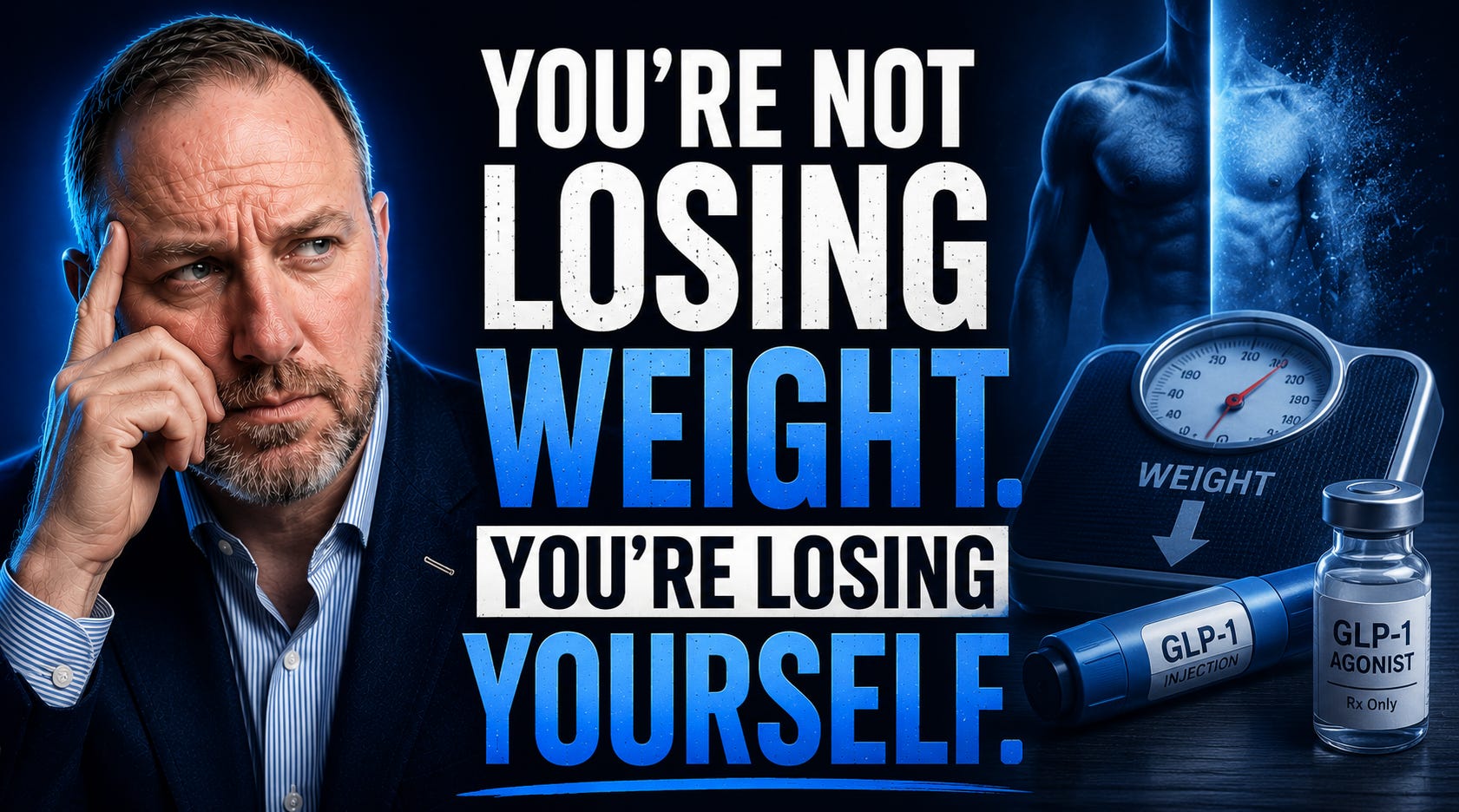
The scale is moving. The before-and-after photos are striking. The cardiology data looks promising.
Nobody is talking about what’s disappearing along with the fat.
I operate on muscle. I have for over 20 years. When I open a joint, I see the tissue quality, the structural integrity, the mechanical reality of how a body has been treated over decades. And I am telling you: the conversation around GLP-1 drugs is missing the most important clinical variable in the entire equation.
You are not just losing weight on Ozempic. You are losing muscle. And depending on how you’re taking it, you may be losing a lot of it.
The Number Nobody Puts in the Press Release
Multiple studies on semaglutide and tirzepatide have now documented the same finding: somewhere between 25% and 40% of total weight lost on GLP-1 agonists comes from lean mass, not fat.
Read that again.
This is not speculation. The STEP 1 and SUSTAIN 8 trials, the flagship semaglutide studies published in the New England Journal of Medicine, found that 39-40% of total weight lost on the drug was lean mass. These are Novo Nordisk’s own studies. The ones used to secure FDA approval. The ones cited in every press release announcing this drug as a breakthrough.
The lean mass finding was in the data the whole time. It just wasn’t in the headline.
If you lose 50 pounds on Ozempic, somewhere between 12 and 20 of those pounds may be muscle. Not fat. Muscle.
In the orthopedic world, we have a clinical term for the condition of low muscle mass relative to body weight. We call it sarcopenia. And sarcopenia is one of the most reliable predictors of poor surgical outcomes, increased fall risk, fracture, joint degeneration, and loss of functional independence I have ever seen in practice.
We are potentially manufacturing sarcopenia at scale, celebrating it as weight loss, and calling it a healthcare breakthrough.
I have a problem with that.
What I See in the OR That Nobody Sees on a Podcast
When I perform a total knee or hip replacement on a patient with significant muscle loss, the procedure changes. The mechanical environment around the joint is different. Soft tissue tension is different. Rehabilitation trajectory is different. Outcomes are measurably worse.
I have watched patients come into my OR having lost substantial weight before surgery, believing they had optimized themselves for the procedure. Sometimes they had. But increasingly I am seeing patients who lost weight rapidly, on drugs or otherwise, and whose muscle quality tells a completely different story than their BMI does.
The scale moved. The tissue didn’t improve. In some cases it got worse.
This is not an abstraction. This is what I see with my hands.
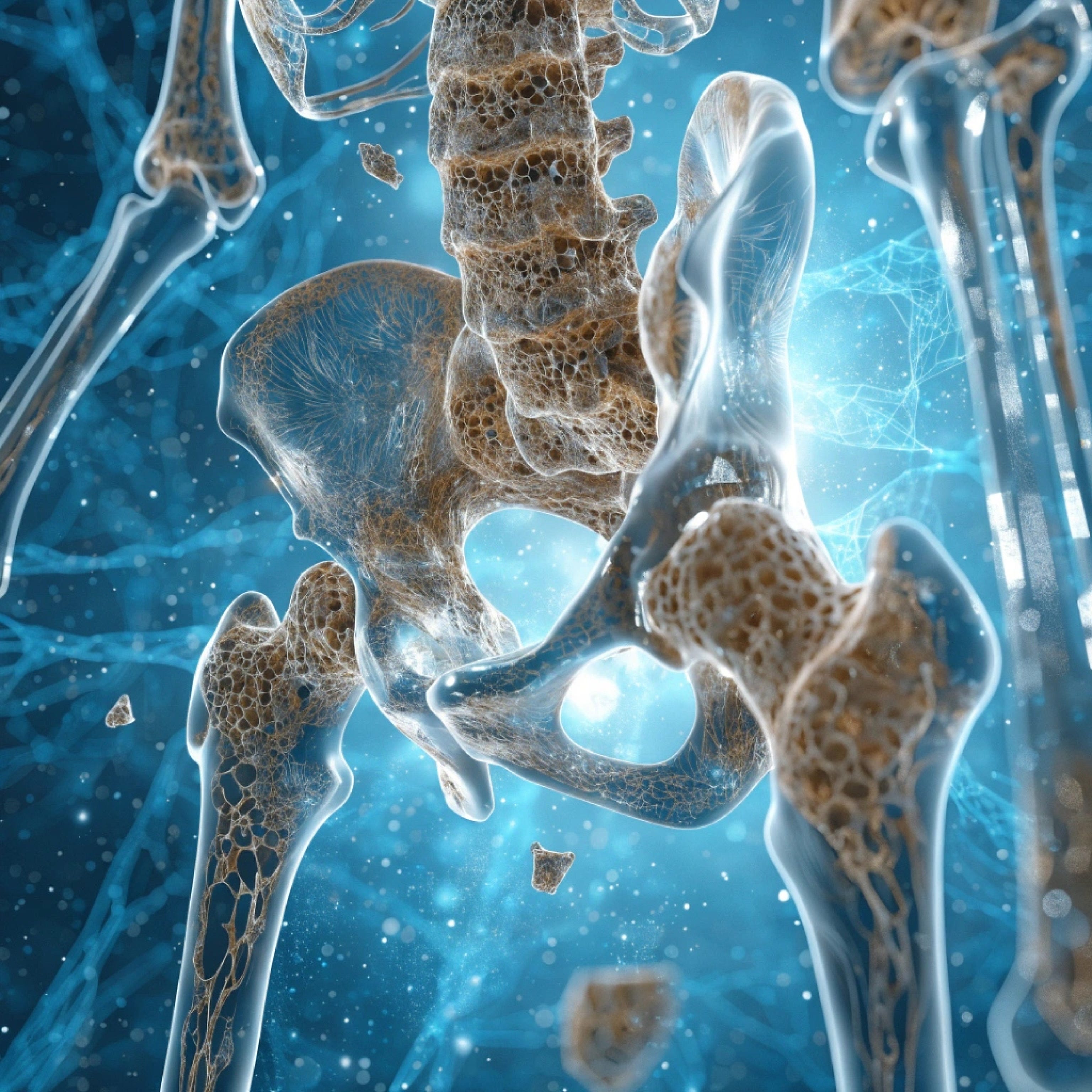
The emerging data on bone density compounds the problem. GLP-1 receptors are expressed in bone tissue. Early research suggests semaglutide may reduce bone mineral density, particularly with rapid weight loss. The STEP trials were not designed or powered to detect fracture risk, so that signal exists in the background of the most-cited efficacy data, largely unmeasured.
We don’t know what we don’t know yet. And that should concern every clinician prescribing these drugs without a musculoskeletal assessment in the protocol.
Rapid Weight Loss Has Always Been a Red Flag. Why Did We Forget That?
This is the part that genuinely puzzles me as a physician.
For decades, the clinical consensus on weight loss was clear: slow and deliberate produces better outcomes than rapid. One to two pounds per week. Sustained behavioral change. Preservation of lean mass as a primary goal alongside fat reduction.
We built that consensus on outcomes data. We built it because rapid weight loss, whether from crash dieting, surgical procedures, or illness, consistently showed the same downstream consequences. Muscle loss. Bone density reduction. Metabolic rate suppression. Rebound weight gain that included disproportionate fat restoration.
Now a drug produces 15% total body weight loss in 68 weeks, and the clinical conversation has almost entirely abandoned the lean mass question. The headline metric became total weight. The nuance disappeared.
I understand why. The cardiovascular outcome data is genuinely compelling. A 20% reduction in major cardiovascular events in the SELECT trial is not a number to dismiss. But cardiovascular endpoints and musculoskeletal endpoints are not the same endpoints. A drug can reduce heart attack risk and increase fracture risk simultaneously. Both things can be true.
The question nobody seems to be asking in a clinical setting is: what is this patient’s muscle mass before we start, and what is the protocol to protect it?
The Protocol That Should Exist But Usually Doesn’t
I am not categorically against GLP-1 therapy. In specific patients, with specific risk profiles, managed carefully, the case for short-term use is legitimate.
But “managed carefully” means something specific to me. It means a baseline DEXA scan before initiation. Not a scale weight. A DEXA scan, which gives you body composition: fat mass, lean mass, bone mineral density. The actual numbers that matter.
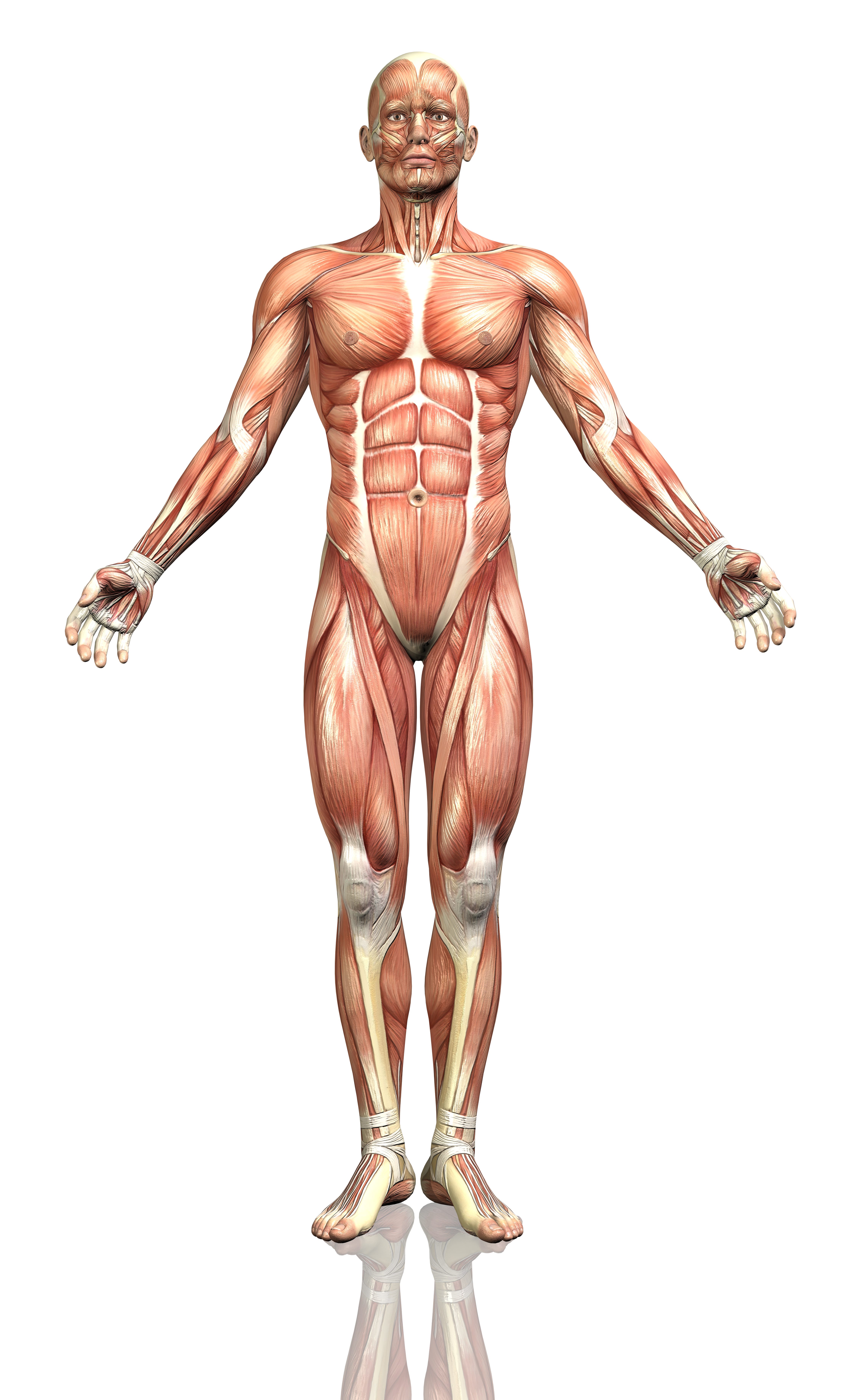
It means resistance training as a non-negotiable co-intervention, not an optional lifestyle recommendation. The evidence on preserving lean mass during caloric restriction is unambiguous. Progressive resistance exercise is the primary tool. If a patient is on a GLP-1 and not actively building or maintaining muscle, they are losing it. Full stop.
It means protein intake calibrated to lean body mass, not general dietary guidelines. The RDA for protein (0.8g per kg of body weight) was not designed for patients losing weight rapidly on a drug that suppresses appetite and may impair muscle protein synthesis signaling.
And it means an honest conversation about the goal. If the goal is fat loss with muscle preservation, the current standard dosing protocol, designed to maximize total weight loss, may not be the right protocol for every patient.
This is where the microdosing conversation becomes clinically relevant. There is no large-scale RCT on lower-dose, slower-titration GLP-1 protocols designed specifically for lean mass preservation. That data doesn’t exist yet. But the physiological rationale is sound: slower weight loss, matched with structured resistance training and adequate protein, should produce a better body composition outcome than the maximal-dose, rapid-loss approach the STEP trials optimized for.
I want that study done. Until it is, I am paying close attention to what I see in my patients and in the emerging literature.

What I Tell Surgeons and What I Tell Patients
To surgeons: if you have patients on GLP-1 drugs heading toward a joint replacement or any major musculoskeletal procedure, add a body composition assessment to your pre-operative workup. Not weight. Composition. You need to know what you’re operating on before you’re operating on it.
The prehabilitation protocols we’ve developed at Indiana Orthopedic Institute exist precisely because we understand that the tissue quality a patient brings into the OR determines a meaningful portion of their outcome. A 50-pound weight loss that came 40% from muscle is not the same surgical preparation as a 50-pound fat loss with muscle preservation. The BMI may be identical. The mechanical reality is not.
To patients: the number on the scale is not the outcome. Body composition is the outcome. Before you start any significant weight loss protocol, including GLP-1 therapy, know your baseline lean mass. Track it. Protect it with resistance training. Eat enough protein, because your appetite suppression will work against you here.
The drug will make you lighter. That is not the same as making you stronger, more functional, or better prepared for the second half of your life.
I have seen what sarcopenic bodies look like at 65 and 75. I have seen the fractures, the falls, the failed rehabilitations, the joint replacements that don’t recover the way they should because there wasn’t enough muscle to rebuild around. That trajectory begins decades earlier, in choices and interventions that seemed beneficial at the time.
GLP-1s may be a genuine tool. The cardiovascular data says they can be. But a tool used without understanding its full mechanical consequence is just a risk you haven’t measured yet.
Measure the muscle. Then decide.